How partnerships are making energy more affordable for Vermonters
Vermont has some of the oldest homes in the country. Charming? Yes. Costly to heat? Also yes.
Most older homes in Vermont are so drafty that they have the equivalent of a football-sized hole in the roof. When Vermonters turn on their heat in the winter, they have to crank it up because so much of that valuable heat is being wasted. The result: High heating costs.
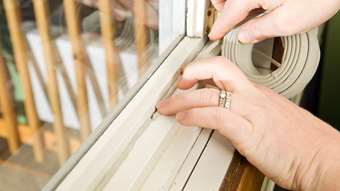
This is where weatherization comes in. Adding insulation and sealing air gaps can make a home dramatically warmer in the winter and cooler in the summer. Plus, it reduces moisture issues and improves indoor air quality. Perhaps most importantly, it can significantly reduce heating and cooling costs.

Each region in Vermont has a Weatherization Assistance Program that helps income-eligible families make their homes warmer and reduce their energy costs—for free. Around 40% of Vermont households qualify.
"I wish more Vermonters knew that weatherization is accessible to them,” says Michelle McCutcheon-Shour, Efficiency Vermont’s community engagement manager. “This is not out of reach.”
Efficiency Vermont partners with each Weatherization Assistance Program, including Capstone Community Action, to bring high-efficiency appliances, technology, and weatherization to families who need it most. Michelle talks almost daily with partners like Scott Hall, the interim director of Capstone Community Action, and Tim Smith, the weatherization director at 3E Thermal. They share a common goal: making Vermonters’ homes more comfortable and affordable.
As high energy costs force families to make choices about what to prioritize—heat, food, medications, gas—these partnerships bring not only immediate relief but a long-term path to a more affordable future.
“Affordability is really about enabling Vermonters to live happy, comfortable lives without the fear of not being able to meet their basic needs,” Michelle says.
These programs are working. After her home was weatherized, Cindi from Middlebury noticed that her home was instantly twice as warm. That, combined with switching from electric resistance heat to a heat pump, has cut Cindi’s winter heating costs in half. That’s valuable savings that she can now put toward other bills.
The first step in every weatherization project is a conversation with the homeowner. “That’s where the person-to-person connection comes in,” Tim says. “The homeowner knows the building better than I do.” These conversations often uncover specific problems that have been nagging the homeowner for years. It could be parts of the home that are particularly cold or a spot in the basement with a persistent moisture issue. They can also reveal aging appliances or heating equipment that are driving up energy costs or no longer meeting the household's needs.
The next step is a top-to-bottom walkthrough to inspect insulation and air gaps, look for issues like mold and vermiculite, and learn how the home’s heating, cooling, water heating, and appliances are working. This helps the weatherization agency identify which projects will have the biggest positive impact for the homeowner. Sometimes that includes upgrading to high-efficiency appliances to help reduce monthly energy costs.
After the walkthrough, Efficiency Vermont, Capstone Community Action, and 3E Thermal make a plan for tackling the highest-priority projects. The partners coordinate to ensure that funding is deployed as efficiently as possible. “We want to make sure every dollar is being invested in the best possible way,” Michelle says.
The work itself often takes only a few days. One homeowner, Sophie, was pleasantly surprised to experience virtually no disruption to her daily life. “I have nothing but the highest praise for the work done and the highly experienced people doing the installation,” she said.

The results of a weatherization project are often recognizable at once. The whole home is a uniform temperature, even on cold days. The persistent wet spot is gone.
The long-term impacts are even more notable. Weatherization can help a home last longer and endure extreme weather events. It can make the home more comfortable year-round. And by keeping warm air inside during the winter, it can reduce heating costs.
All that adds up to a proven, cost-effective solution for Vermonters. “Working with 3E Thermal and Efficiency Vermont creates long-term change for Vermont housing,” says Scott. “It would be great to see Vermont turn into a more affordable place to live.”