7 signs it’s time to weatherize your home
Does your home feel chilly and drafty in the winter, even with the heat on? Have you seen or heard a few more pests than usual? You are not alone. Many Vermonters live in homes with inadequate insulation and air leaks. The good news is there are things you can do to button up your home and keep it more comfortable.

Weatherization is anything you do that protects your home from the weather: cold, heat, water, snow, and wind. It might include adding more insulation, sealing air leaks, upgrading windows, and more. Weatherizing your home makes it more comfortable to live in and reduces your energy costs for both heating and cooling.
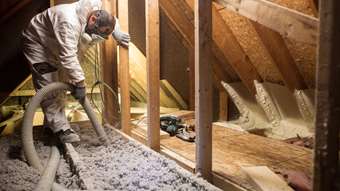
You can think of home weatherization in two layers, similar to how you bundle up when you go out in the coldest temperatures. You might wear a warm sweater underneath a wind-proof jacket so that the sweater traps heat and keeps you cozy, while the jacket repels wind and snow. Your house should work similarly. Insulation holds in heat (or cold, in the summer) and air-sealing keeps out wind and moisture, letting the insulation do its job. Together, these measures will keep you comfortable throughout the harshest weather conditions and keep your energy bills in check.
How do you know when it’s time to get a home energy assessment and see how your home could be warmer and less costly to heat and cool? Here are seven signs that mean your home is likely losing heat, letting in cold air and moisture, and raising your energy costs:

If you feel cold air movement around your home, that’s a sign that your warm inside air is leaking out and cold outside air is sneaking in. You might feel drafts around windows, doors, baseboards, and electrical outlets. Think you can fix them yourself? Learn more about rebates for DIY weatherization projects and see what you qualify for.

Your home should be a pretty consistent temperature throughout. If certain rooms or areas feel colder than others, it may mean that that space is losing energy.

You may notice that your floors, baseboards, walls, or ceiling feel extra cold in certain places. That’s a sign that you’re losing heat.

Higher than expected energy usage is an indicator that your home may benefit from weatherization. Look at your energy bills and compare your monthly energy usage year-over-year. Is your usage similar to friends and neighbors with similarly-sized houses who keep their thermostat set to a similar temperature? You can also use this calculator to get an idea of how efficient your home is.

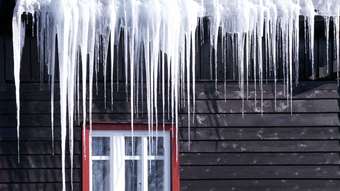
Icicles and ice dams are a good sign that heat is leaking out through your attic and roof. Escaped heat melts snow on the upper parts of the roof, which drips down toward the roof’s edges, where it’s colder. There, it may refreeze into an ice dam or begin to drip down toward the ground and then refreeze, making an icicle. If you see a lot of icicles and ice dams on your house, it may be time to work with an Efficiency Excellence Network contractor to improve your home’s insulation and air sealing.

If air can get into your home, so can pests. Mice, rats, squirrels, chipmunks, and insects are always looking for a warm place to spend the winter, and if your home has gaps, they will find them. If you see or hear increased pest activity in your walls, ceilings, basement, or attic, it could be a sign that your home is not properly air-sealed.

Moisture can enter your home the same way air does. Mold or musty smells in your attic or basement are a sign that moisture is getting in. Your home could have a moisture problem that might also be solved by professional weatherization. Similarly, if you see ice and frost build-up on the inside of your windows, it likely means your windows are not sealed properly.
Find the Right Pros
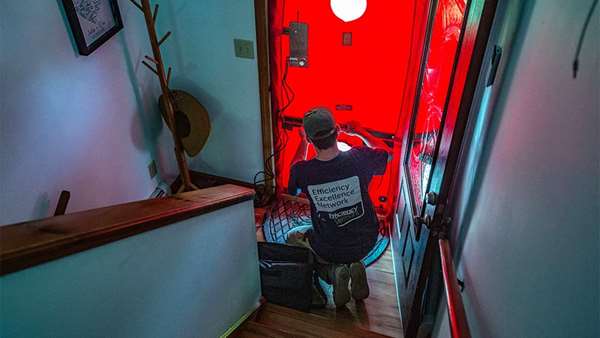 Energy Audits & Assessments
 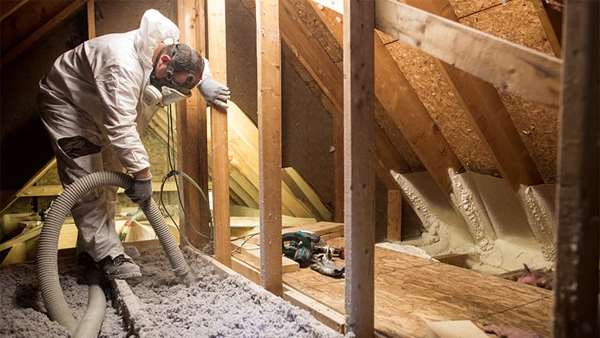 Weatherization
 Does your home have any of these seven signs? A great next step is to schedule a free virtual home energy visit, where an energy expert will give you a holistic view of your home’s energy consumption and help you prioritize your next steps.