How to get clean energy tax breaks before they expire
Federal tax credits for clean energy upgrades expired on December 31, 2025. See how to apply for a tax credit for projects completed in 2025.
The Inflation Reduction Act (IRA) of 2022 included financial help for climate-friendly choices for your home. You may wonder which tax credits, rebates, and discounts you qualify for, especially now that many of those benefits are being phased out.
Tax credits are just one way to reduce the cost of home energy improvements. Whether you are able to use the tax credits or not, there’s still good news: Efficiency Vermont’s rebates aren't going anywhere.
Here’s what you need to know about the tax credits for homes and electric vehicles before they expire. (Are you a business owner? Learn about IRA tax credits for businesses.)

The IRA offers tax credits for buying clean vehicles and appliances. There are also incentives to improve your home through weatherization or adding solar panels. The incentives make non-fossil fuel alternatives more affordable. Millions of households have used these tax credits so far, saving an average of $130 a year on their energy bills.
If you’re able to make upgrades this year, talk to a contractor as soon as possible. This will help complete projects on time and maximize your savings. All projects must be completed by Dec. 31, 2025.
| Project | Tax Credit | Expiration | Can’t use the credit? Consider… |
|---|---|---|---|
| Home energy audits | 30% of the cost up to $150 | Audit must be completed by Dec. 31, 2025. | A free Virtual Home Energy Visit. An energy consultant will share personalized advice to improve your home’s efficiency. |
| Windows and doors | 30% of the product cost, up to $600 for windows (that meet ENERGY STAR Most Efficient criteria) and up to $500 for exterior doors (that are ENERGY STAR certified, $250 per door) | Windows and doors must be purchased and installed by Dec. 31, 2025. | Get $100 cash back on materials for a do-it-yourself project with our $100 DIY Weatherization rebate. |
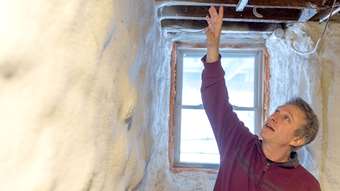
| Weatherization (insulation and air sealing) | 30% of the cost up to $1,200 | Weatherization projects must be completed by Dec. 31, 2025. | Get up to $9,500 cash back with our Home Performance with ENERGY STAR weatherization rebate. |
| Heat pump systems (ducted or ductless) | 30% of project costs (equipment & installation) up to $2,000 | Heat pump systems must be installed by Dec. 31, 2025. | Get $500 to $2,200 cash back for heat pumps. Bonus rebates are available for income-eligible households. Additional rebates may also be available from your electric utility. |
| Geothermal (ground-source) heat pumps (GSHP) | 30% of qualifying costs, including equipment and installation | GSHP systems must be installed before Dec. 31, 2025. (Tax credits for leasing GSHP systems are available through the 2030s.) | Get up to $2,100 cash back per ton on qualifying GSHP equipment. Income-eligible Vermonters can also get a $500 bonus. Additional rebates may be available from your electric utility. |
| Heat pump water heaters | 30% of project costs (equipment & installation) up to $2,000 | Heat pump water heaters must be installed by Dec. 31, 2025. | Get a $600 rebate for a heat pump water heater. These units use a fraction of the energy needed by traditional electric or fossil fuel water heaters. |
| Wood pellet boilers/furnaces, and wood or pellet stoves | 30% of project costs (equipment & installation) up to $2,000 | Wood heating systems must be installed by Dec. 31, 2025. | Get up to $6,000 cash back on central wood pellet boilers. Or get a $400 discount on wood stoves. Additional rebates may be available in your area. |
| Electrical panel or circuit upgrades | 30% of the cost up to $600 | Electrical panels and upgrades must be installed by Dec. 31, 2025. | No current offers from Efficiency Vermont or partners. Learn how electric panel upgrades can make a home more resilient. |
| Home battery storage systems | 30% of qualifying costs (including equipment and installation) | Installations must be completed by Dec. 31, 2025. (Tax credits for leasing home battery systems are available through the 2030s.) | No current offers from Efficiency Vermont or partners. Learn how home batteries can make a home more resilient. |
| Rooftop solar panels | 30% of qualifying costs (including equipment and installation) | Installations must be completed by Dec. 31, 2025. (Tax credits for leasing solar panels are available through 2027.) | No current offers from Efficiency Vermont or partners. Learn more about solar energy. |
Rewiring America is a nonprofit focused on the electrification of America's homes and buildings. They are tracking changes to these tax credits. Click here for updates on home energy tax credits.
Tax credits for electric vehicles (EVs) have helped double Vermont’s EV fleet in recent years. But potential buyers will have to act fast. Most EV tax credits expire on Sept. 30, 2025. Usually, you can receive the tax credit immediately when buying or leasing an eligible EV.
- Get up to $7,500 off when buying a new EV. Eligible EVs and electric trucks must meet certain requirements, like being manufactured in the U.S. and selling below a specific price. Buyers have to earn less than $150,000 (or $300,000 for couples) to qualify.
New vehicles must be purchased before Sept. 30, 2025. - Get up to $7,500 off when leasing an EV. The eligibility requirements for leased EVs are less stringent than the requirements for purchased EVs, meaning there are more cars to choose from. The leasing company claims the tax credit and then usually applies the credit as a discount on the lease deal.
Vehicles must be leased before Sept. 30, 2025. - Get up to $4,000 off a used EV. Qualifying EVs must cost $25,000 or less and be at least two years old. Used EV buyers have to earn less than $75,000 (or $150,000 for couples) to qualify.
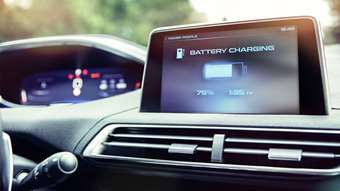
Used vehicles must be purchased before Sept. 30, 2025. - Get 30% of your costs back—up to $1,000—for installing a home EV charger. Most EV charging happens at home. Thankfully, tax credits for installing a home EV charger are available for a bit longer.
Chargers must be placed in service by June 30, 2026.
Your utility may offer additional EV incentives. Vermont electric utilities offer significant bonus rebates for buying an EV and charging equipment. Some also have special low rates for EV charging. Visit Drive Electric Vermont for all EV rebates available in Vermont.

Rewiring America has an online calculator that helps you see which incentives you qualify for. The tool points to home and vehicle tax credits, plus state and utility incentives based on your zip code.
The IRA’s clean energy credits align with Vermont’s climate goals in the Vermont Climate Action Plan. But many of these tax breaks expire soon. It may be difficult to make these investments in time.
The good news is that Efficiency Vermont’s rebates and programs remain available. Beyond lowering your energy costs, these energy upgrades can benefit your home in other ways:
- Weatherization projects make your home more comfortable and resilient. A resilient home is more efficient for both heating and cooling. It has improved airflow and ventilation that can protect against mold, pests, and drafts. It can also better resist extreme weather, blackouts, and other hazards.
- Going electric will cut your carbon footprint. The three biggest contributors to your emissions are your car, home heating, and water heating.
- Heat pumps and heat pump water heaters continue to benefit the environment into the future as the grid becomes cleaner.
Federal incentives will soon be phased out. But Efficiency Vermont can help Vermonters of all income levels save money into the future.