7 ways to save energy in your mobile or manufactured home
If you live in a mobile or manufactured home, there are several things you can do to make your space warmer and drier. You could save on energy bills, too.

One of the easiest things you can do to save energy at home is installing LED lightbulbs. LEDs use just a fraction of the electricity as older styles of bulbs. Plus they last a lot longer, so you won’t have to buy bulbs as often. Don’t forget to swap out bulbs in less visible areas like outdoor lighting or bathrooms.

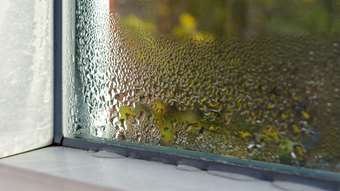
Many mobile and manufactured homes have windows and doors that are not well sealed or insulated, which can make your home drafty. If your windows and doors don’t latch properly, or you see rubber and plastic cracking, there are several things you can do to seal them up. Your space will be warmer, and you’ll spend less on heating.
- Install custom storm window inserts, like the ones from Window Dressers, which can double the insulation value of your windows during the winter. Window inserts are eligible for a DIY weatherization rebate.
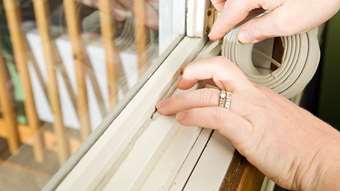
- Add caulking or weather stripping around the interior trim of your doors and windows where you can feel a draft. You can get a DIY weatherization rebate to help cover your cost.
- Adjust the latches on your windows and doors. You may be able to unscrew a latch and move it slightly side to side, until it fits properly again. Screw it back in place to tighten the seal.
- Install a door sweep (which is also eligible for a DIY weatherization rebate).
If areas of your home are still not warm enough in the winter or you're worried about high heating costs, we recommend contacting your local community action agency about the Weatherization Assistance Program. If you don’t qualify for free weatherization, you may still be eligible for rebates from Efficiency Vermont if you work with an Efficiency Excellence Network contractor.

Your furnace has a filter to catch air pollutants like dust and pet hair. When the filter is clogged, your furnace has to work harder to deliver heat, which means it uses more energy. A clogged filter can also reduce air flow, which means your heat or air conditioning isn’t as strong as you’d like it. Check and clean your furnace filter monthly and make sure you have replacement filters on hand.
We recommend having your furnace cleaned and serviced annually by a professional, to ensure it’s working efficiently and safely.
Find the Right Pros
 Appliances
  Weatherization
Hot water is typically the second-largest energy cost in your home. That means small changes can add up. Installing low-flow aerators in your bathroom showerhead and sink can help save energy. Your electric or water utility might offer rebates to support your purchase. You can also check for leaks around your indoor plumbing or your outdoor spigot. Another common culprit: Running toilets.

Most mobile and manufactured homes have a gap between the underside of the home and the ground. There are two things you can look for under there to make your home more comfortable.
- Look down: Is there a vapor barrier installed? A vapor barrier is a plastic sheet covering the ground under your home. It prevents moisture from rising and causing damage to the underside of your home, which can lead to damage. If you don’t have a vapor barrier, or you see portions of exposed ground around your vapor barrier, consult this handy DIY guide from the Champlain Valley Office of Economic Opportunity (CVOEO) for ways to add one.
- Look up: Look for holes or tears in your home’s “belly blanket,” the protective layer that typically looks like black plastic wrap underneath the floor of your home. Holes in the belly can allow cold air and moisture to get into your home. Consult the DIY guide for tips on how to patch holes or tears.

Many electronic devices continue to use energy even when they’re turned off. Think of small electronics like toasters, coffee makers, or phone chargers plugged into the wall. You might be spending upwards of $100 a year for electricity you're not even using. You can buy an advanced power strip or a smart plug to make sure your devices are completely off.

Ventilation fans remove moisture and circulate fresh air into your home, which is good for your health. You probably have one vent fan in the kitchen and one in each bathroom. If a fan does not dry out your bathroom after a shower or capture smoke from cooking, you can start by cleaning it to remove dust or grease. If that doesn’t help, we recommend hiring a general contractor to upgrade the fan or the venting to the outside of your home.
Check your dryer vent regularly for lint buildup (in the duct and outside). Clean vents will help dry clothes faster, save energy, and reduce the risk of fire. It is also important that dryers vent outside and not underneath the home.
These are tips you can do right away. If areas of your home are still not warm enough in the winter or you're worried about high heating costs, it might be time to bring in a professional.
If you’re not sure who to contact, give us a call and we can help you get started with a free Virtual Home Energy Visit. We can also connect you with an Efficiency Excellence Network contractor or your regional Weatherization Assistance Program.