Keeping cool with heat pumps
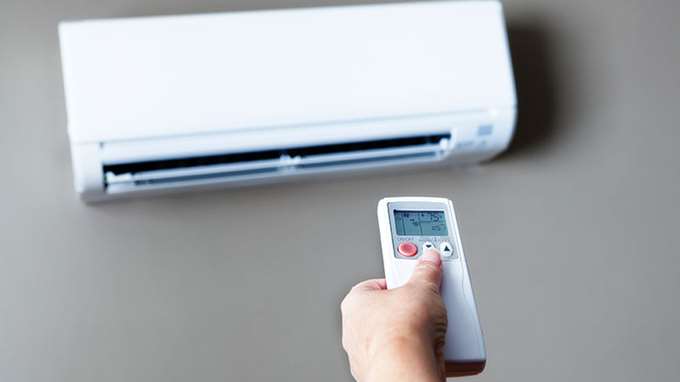
“Heat pump”—the name alone can cause confusion, because a heat pump is also an energy-efficient air conditioner (AC). In fact, heat pumps and ACs cool the same way: by using electrical energy to move heat from inside to the outdoors. But a heat pump has a switch that lets you change its function from cooling to heating in winter—all with the press of a remote-control button. And it’s far more efficient for cooling, using less than 50% of the energy of a typical window AC unit.
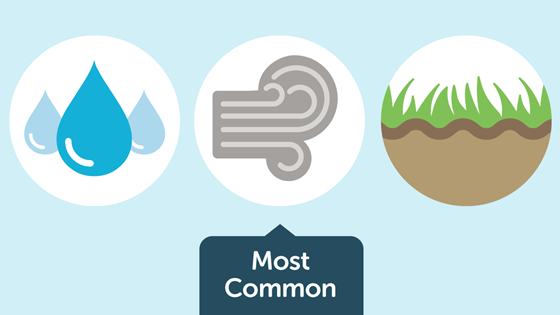
Heat pumps extract heat from (and move it to) different sources: air, water, or ground. A ductless air source heat pump (a.k.a. mini-split heat pump) is the most common type in homes and small businesses—though if you have existing ductwork, a ducted system is an option.
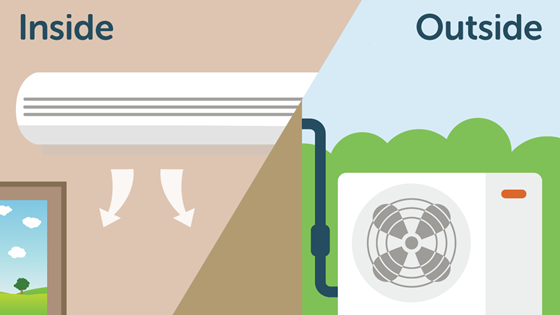
“Mini” refers to the system’s small size—and “split” tells you it’s made up of two distinct parts: an indoor air-handling unit and an outdoor compressor unit. The term “multi-split” or “multi-zone” describes a system with multiple indoor heat pump units connected to one outdoor compressor.
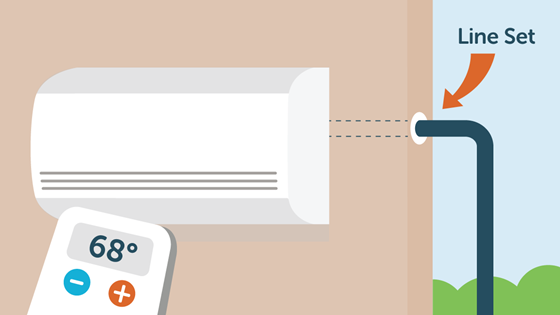
Unlike central AC, a heat pump’s outdoor condenser coil can switch roles, acting as an evaporator when in heating mode. The heat pump’s reversing valve allows it to switch from cooling to heating, while a “line set” running between the indoor unit and outdoor unit houses refrigerant tubing and electrical wiring.
Find the Right Pros
 Electricians
 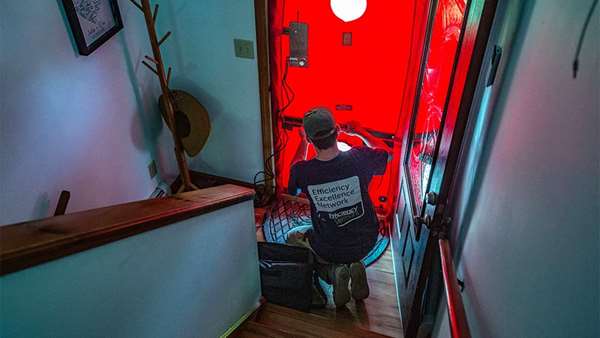 Energy Audits & Assessments
 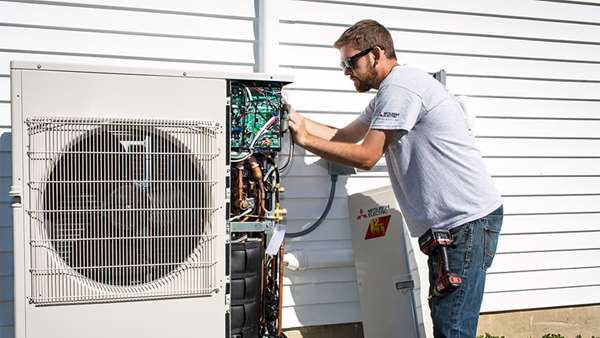 Heat Pumps
 Both ACs and heat pumps use electricity to cool, but heat pumps are much more efficient—which means real savings for homes and businesses that choose to cool. They’re also highly efficient for heating: You can save if you switch from fuel oil, kerosene, propane, or electric resistance (individual saving will vary based on types of fuel being displaced and current fuel prices). If you currently use natural gas, wood, or pellets, a heat pump may not lower your bills—because the low cost of those fuels can offset the efficiency gains of a heat pump.
EER, SEER, HSPF, COP—each one measures energy efficiency in a different way, so it’s not always easy to compare heat pumps with other systems. The bottom line: It’s safe to assume that heat pumps are more efficient than other systems for both heating and cooling, with the caveat that heating efficiency doesn’t always equate to savings. When comparing heat pump models, look for a higher HSPF (more efficient heating). If you choose one that qualifies for an Efficiency Vermont rebate, you can rest assured that it’s been vetted for energy efficiency.
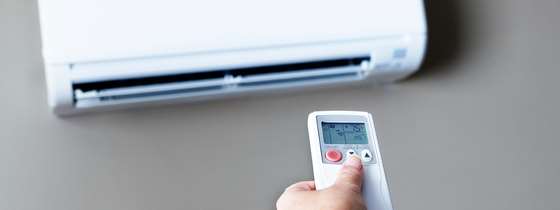
Each has pros and cons, but heat pumps enjoy some notable advantages over central and window air conditioning. The biggest is that you can cool and heat with one system, though a supplemental heating source is recommended for the coldest of Vermont winter days. Heat pumps are professionally installed once, so you don’t have to remove or reinstall them seasonally. They need just a three-inch hole in the wall for the line-set, which means better security compared with window units that leave your home vulnerable. And ductless heat pumps have no ducting to install and keep clean, as with central AC. Ductless heat pumps, like many types of air conditioners, need periodic professional cleaning.
Key benefits of a ductless heat pump for cooling:
- Quiet operation
- Zone cooling and heating
- No ducting required
- Flexible placement of outdoor unit: easy to keep out of view
- Modern, low-profile appearance
Fan: This mode uses the least energy, so it’s great for getting a little relief and moving air around the room. Since it won’t cool your room, be sure to turn it off when you leave.
Cool: Your best choice for lowering the temperature during the dog days of summer.
Dry: Use it for warm and muggy weather to reduce humidity and make the room feel more comfortable.
Knowing how to control humidity is important for comfort and keeping homes healthy. Here are a few best practices for keeping humidity at bay when you have a heat pump:
- If you have a cellar or crawl space with a dirt floor, cover it with a vapor retarder, a material that slows the movement of water vapor, to keep soil moisture out of the house.
- Don’t leave water sitting around. Wipe up any water spills, empty your dish drainer pan, check for standing water under houseplants, and cover pots when cooking.
- Heating with cordwood? Store green cordwood outside.
- When you have the house closed up and you're using your heat pump to cool, use your bath fan, too, but only as long as it takes to dry out the shower (so you don't pull in a lot of outdoor humidity). It’s also a good idea to double-check the fan is vented all the way to the outdoors (so you don’t vent humid air into an indoor space, like the attic).
- Make sure the clothes dryer is vented to the outside and the clothes dryer vent is clean and clear (a clogged clothes dryer vent can force humid air back into the house). Air drying your clothes outside can also be a great hack to keep moisture outside in summer.
- Don’t wait for winter to air-seal windows and doors; it can also help keep the hot muggy air outside in summer.
- Run a portable ENERGY STAR® dehumidifier in your basement or crawlspace.
- Set your heat pump fan at the lowest speed to maximize the time the system spends actively dehumidifying
Heat pumps installed in colder climates like Vermont may be oversized for summer cooling needs, so it's important to make the most of cooling with a heat pump. With heat pumps, bigger is not better. A heat pump oversized for cooling may not remove humidity from your home efficiently. The best heat pump designs have two smaller heat pumps to heat your home so each heat pump is better sized for cooling. Check out these tips to help get more cooling from your ductless heat pump:
- Close all your windows—including the basement—when using your heat pump to cool your home. You might be tempted to open windows at night, but during a long stretch of hot weather, we recommend keeping the windows closed.
- Keep interior doors open to give your heat pump lots of cooling and dehumidifying work to do.
- A more open floor plan will be easier to cool or heat with a heat pump (and provide more savings) than a space with small or tight rooms.
Related Posts & Pages

How a video call helped one couple stay cool this summer
A Barre couple learned more about their home during a Virtual Home Energy Visit. Today, they’re happily staying cool all summer with a heat pump.

3 stories that prove heat pumps work in VT homes
Three Vermonters share their stories of improving their comfort and saving energy in summer and winter by installing heat pumps.
Heat pump installation costs vary depending on your home’s configuration and the type of heat pump you choose. For instance, your heat pump may need a new electrical circuit installed. The cost of electrical work is influenced by how far the heat pump outdoor unit is from the main electrical panel and whether your existing electrical system can easily accommodate a new circuit. The distance between the outdoor unit and the indoor unit also impacts final installation costs. The good news? You can offset some of these costs with incentives. Because they save energy, heat pumps qualify for rebates and energy efficiency financing.