How to weatherize your attic yourself (video)
1 min read
Most homes in Vermont can be made more comfortable by properly air-sealing and adding insulation. This How To focuses on one of the most important areas of the home for weatherization: the attic.
How to weatherize your attic
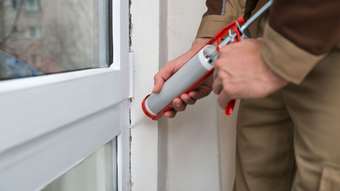
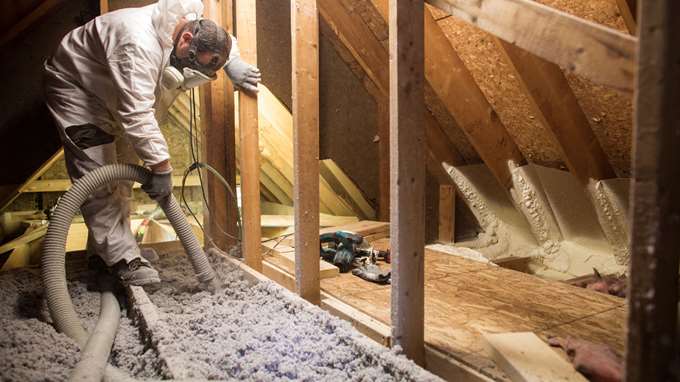
Watch this video for professional tips on air-sealing and insulating your attic. Locate common problem areas and learn how to seal them. Explore the types of insulation that work best in an attic.
Materials checklist
- Silicone, acrylic latex caulk and/or low expanding foam for air sealing
- High-temperature (heat-resistant) caulk for sealing around flues and chimneys
- Foam board insulation to cover soffits, open walls, and larger holes. Alternatively, you can use drywall or pieces of plywood
- Roll of 14-inch aluminum flashing to keep insulation away from the flue pipe
- Weather-stripping for attic hatch
Important considerations
- The attic must be accessible and easy to move around in
- Use proper safety equipment (dust masks, gloves, long sleeves, safety glasses, lights)
- Attics can get dangerously hot on sunny days, especially in the summer. Make sure there is a friend or family member that can help if needed
- Call a professional if you see any of these:
- Damp conditions indicating a moisture or ventilation problem
- Old (knob and tube) or faulty electrical wiring
- Vermiculite insulation—usually appears as gray, silvery chips
Rebates and resources
We offer technical guidance and rebates to help cover the cost of DIY insulation projects or professional weatherization services.